

Protecting your home from fire hazards extends beyond building materials and indoor safety practices—your outdoor spaces also play a critical role. Construction decisions can act as a shield or a hidden danger depending on how they’re managed. By selecting thoughtful layouts, designs, and materials, you can reduce the chances of flames spreading to your property. For that reason, the presence of a structural engineer, as quoted at homify, becomes essential. Below are the top ways a structural engineer can help minimize the risk of house fires.
Creating a Defensible Space Around the Home
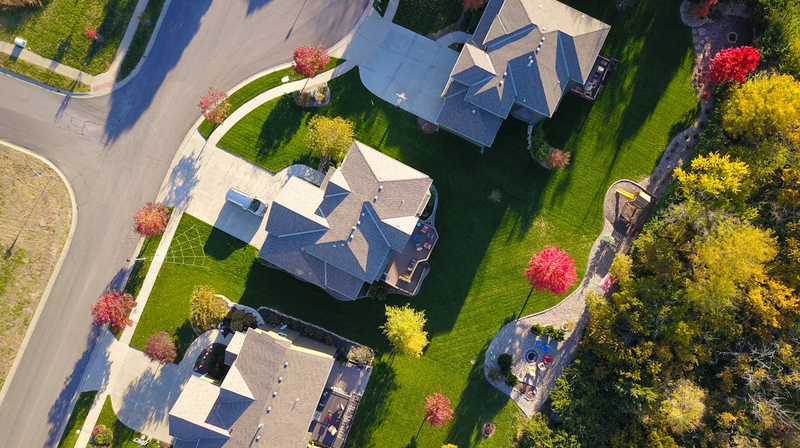
One of the most effective fire prevention strategies begins with establishing a defensible zone surrounding your house. This involves clearing out vegetation and other combustible materials that could allow fire to creep closer to the structure. For example, keeping a minimum of five meters immediately around your home free from shrubs, dried grass, or mulch reduces the chance of flames catching on. Instead, consider using gravel, stone paths, or paved patios in this buffer zone. These surfaces lower fire risk and add low-maintenance beauty to your yard.
Choosing Fire-Resistant Materials
Not all materials behave the same way in fire-prone conditions. Some ignite quickly while others are more resistant. Opting for fire-resistant materials such as bricks or stones can significantly reduce risks. These materials are less likely to catch fire and can serve as natural barriers. Grouping them with ample spacing between different materials helps to prevent fire from leaping across your building. It’s also wise to avoid flammable materials like woods and bamboo as these can accelerate the spread of fire.
Advising That Grass and Shrubs Should Always Be Well-Maintained

Overgrown lawns and dense shrubbery provide easy fuel for flames. Regular mowing, trimming, and removing dead leaves or branches significantly limit fire hazards. Shorter grass burns less intensely than tall, dry growth. Additionally, pruning the lower branches of trees prevents fire from moving upward and turning into crown fires, which are much more destructive. A neat, maintained yard does more than present a pleasant appearance—it acts as a frontline defense. Periodically check your yard for dried brush piles or neglected corners, which often become overlooked ignition points.
Integrating Non-Flammable Hardscaping
Landscaping isn’t just about plants; hardscape elements like patios, walkways, and stone walls also play a key role in fire prevention. Non-flammable materials such as concrete, flagstone, or decorative rocks can create functional firebreaks. For instance, a stone pathway circling your home forms a barrier that interrupts the path of flames. Similarly, retaining walls or gravel strips near decks and fences add extra protection. While many homeowners focus solely on greenery, integrating such elements into your outdoor design provides both style and safety.
Ensuring Smart Placement of Trees and Structures
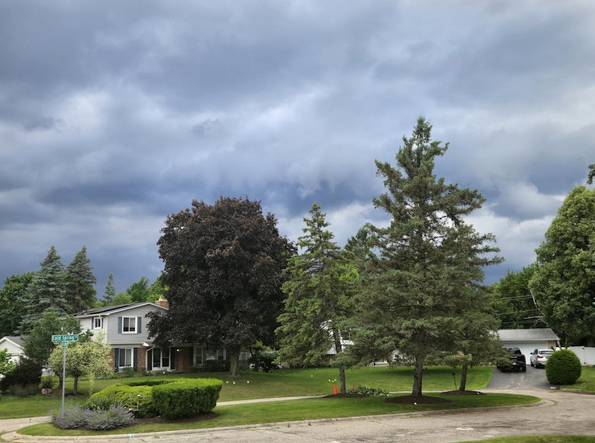
Trees bring shade and beauty, but their placement requires careful thought in fire-prone areas. Large trees should be planted at least ten meters away from your house, and branches must never overhang roofs or chimneys. Leaf buildup in gutters is a frequent culprit for fire spread, so overhanging branches make maintenance harder and increase risk. Structures like sheds or pergolas should also be positioned with fire safety in mind—keeping them a safe from the main home minimizes exposure should they ignite. With strategic positioning, trees and structures can still complement your property while maintaining low hazards.
Fire prevention isn’t achieved by one step alone—it comes from a combination of choices that limit risks and provide peace of mind. Making informed construction adjustments today can help safeguard your home and family against potential disasters tomorrow.