
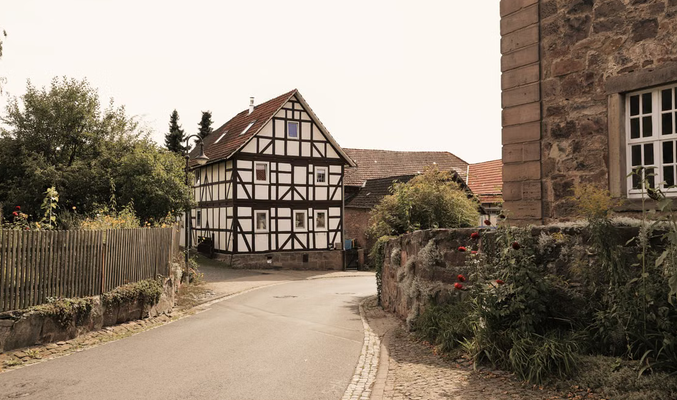
Period features can give a property a distinctive sense of history, often shaping how its architecture is perceived before visitors notice its modern additions. Original fireplaces, cornices, timber details, sash windows, decorative doors, and traditional flooring can reinforce the character associated with a particular era. At the same time, preserving these elements can involve the complexities of building, particularly when older structures require careful integration with contemporary materials and systems. The relationship between historic details and newer modifications can strongly influence whether a property feels authentic, balanced, or visually disconnected. Exploring this relationship reveals why period features remain so influential in shaping a home’s perceived character.
How Original Details Create Visual Character
Period features can give rooms distinctive visual qualities that are difficult to reproduce through standardized modern construction. Decorative plasterwork, exposed timber, masonry, paneling, or ornamental fireplaces can introduce patterns, textures, and proportions associated with a particular era. When several original elements remain together, they can create a consistent architectural language throughout the property. This can make the building feel more visually distinctive than a home where historic details have been removed or replaced.
Why Proportions Matter to Period Properties
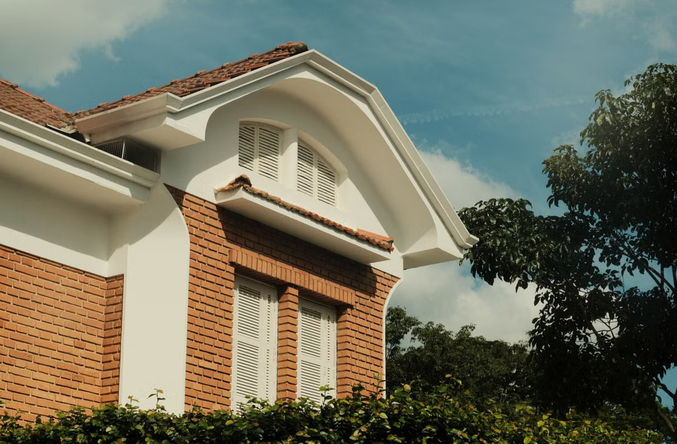
The character of an older property is often influenced by the proportions of its rooms, ceilings, windows, and doorways. High ceilings can create a different sense of scale from the lower ceilings commonly found in some contemporary homes, while tall windows can change the distribution of natural light. These proportions are often closely connected to the original architectural style. Period features, therefore, influence perception not only through decoration but also through the building’s underlying dimensions and relationships.
How Materials Contribute to Authenticity
Materials can strengthen the connection between a property and its architectural history. Natural timber, stone, brick, plaster, and other traditional materials often develop visible characteristics through age and use. Surface variations, changes in texture, and signs of craftsmanship can contribute to the impression that a building has accumulated history over time. When original materials remain intact, they can provide a stronger sense of authenticity than modern replacements designed to imitate older styles.
The Relationship Between Old Features and Modern Interiors
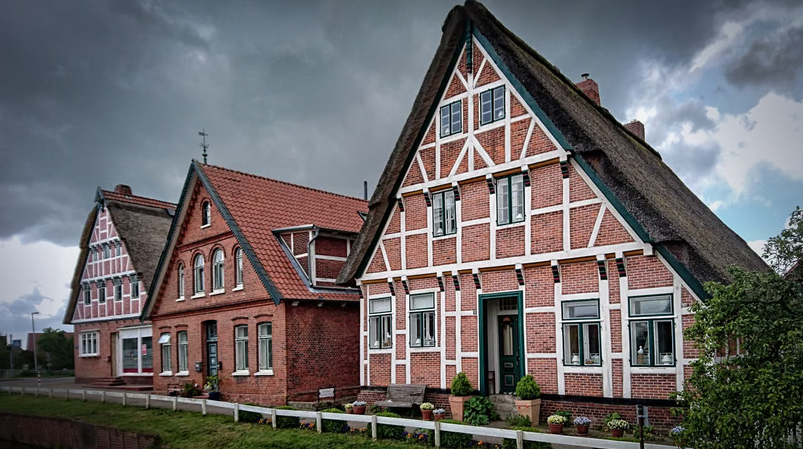
Period properties often contain a mixture of historic and contemporary elements. Modern kitchens, lighting, bathrooms, or heating systems may exist alongside original fireplaces, windows, floors, or decorative details. The interaction between these contrasting elements can influence how the entire property is perceived. A carefully retained historic feature can provide a visual reference point within an otherwise contemporary interior, while excessive alteration may reduce the sense of connection with the building’s original character.
Why Period Features Can Shape Property Identity
A property’s identity develops from the combination of its architecture, history, materials, layout, and surroundings. Distinctive period features can become particularly important because they help distinguish one property from another. They can also provide clues about the building’s original purpose, construction period, and architectural influences. Over time, these details may become central to how residents, visitors, and prospective occupants describe and remember the property.
Period features influence the perceived character of a property by connecting its visual appearance and spatial qualities with its architectural history. Original materials, decorative details, room proportions, windows, fireplaces, and other elements can create a distinctive atmosphere that differs from standardized modern construction. Their effect can remain strong even when contemporary systems and furnishings are introduced. By preserving visible links to a building’s origins, period features can contribute significantly to a property’s identity, authenticity, and enduring character.