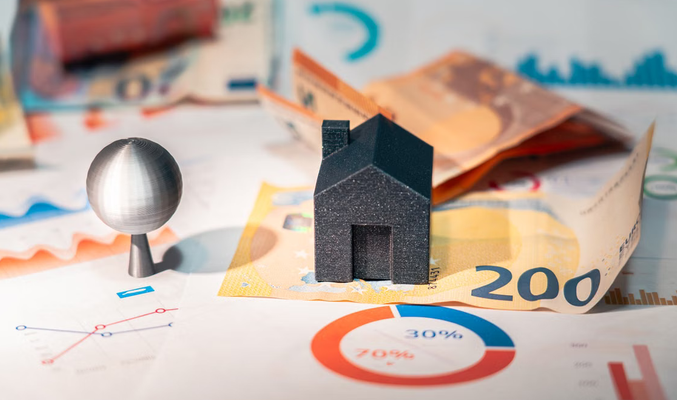
How to Evaluate the True Cost of a Property Before Buying: Beyond the Purchase Price

Buying a property is an exciting milestone, whether you are searching for your first home or expanding your real estate portfolio. While the listing price often grabs the most attention, it is only one part of the total financial picture. Many buyers focus on securing financing and negotiating a good deal but overlook the ongoing and one-time expenses that come with owning a property. Taking the time to evaluate every potential cost before signing a contract can help you avoid financial surprises and make a purchase that fits your long-term goals.

Look Beyond the Asking Price

A property’s advertised price is simply the starting point. Experienced buyers often explore educational resources such as Franken Magazin to better understand the financial side of purchasing and building a home before committing. It is important to account for taxes, legal expenses, inspection fees, insurance, and any immediate improvements the property may require. Looking at the complete financial picture allows you to compare different properties more accurately instead of making a decision based solely on the purchase price.

Include Property Taxes and Insurance
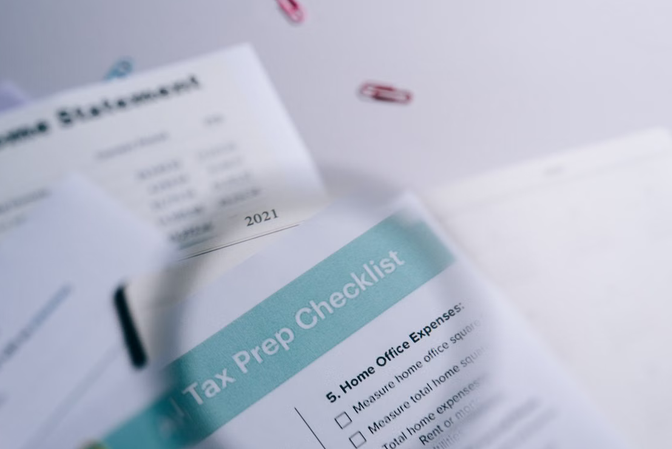
Two homes with similar purchase prices can have very different ownership costs because of taxes and insurance premiums. Property taxes depend on local regulations and assessed values, while insurance rates can change based on location, construction materials, and environmental risks. These recurring expenses should always be included in your financial planning because they continue long after the purchase is complete.

Consider Future Maintenance Costs

Every property requires regular care, regardless of its age. A newer home may need less maintenance during the first few years, while an older property could require roof repairs, plumbing updates, or electrical improvements much sooner. Even cosmetic upgrades like repainting walls or replacing flooring can add up over time. Estimating these future expenses before buying helps you determine whether the property truly fits within your budget.

Don’t Ignore Utility and Operating Expenses

Monthly costs can vary significantly from one property to another. Larger homes often require more energy for heating and cooling, while older buildings may have less efficient insulation or outdated systems that increase utility bills. Water, waste collection, internet services, and homeowner association fees may also become part of your monthly expenses. Reviewing previous utility records, when available, provides valuable insight into what you can expect after moving in.

Think About Renovation Potential
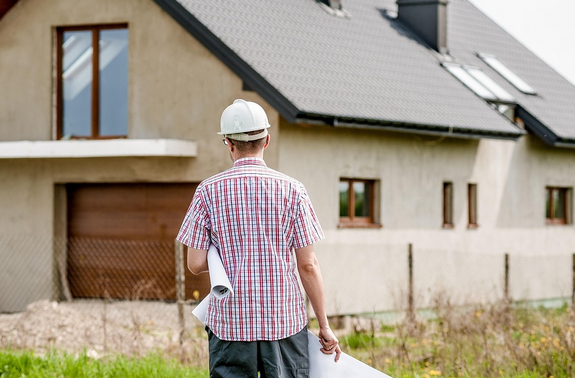
Some buyers intentionally look for properties that need improvements because they hope to increase the home’s value over time. While this strategy can be rewarding, renovation costs should be estimated carefully before making an offer. Kitchen remodels, bathroom upgrades, structural repairs, and landscaping projects can quickly increase your overall investment. Understanding these costs ahead of time helps you decide whether the property remains a good value after the necessary work is completed.

Evaluate the Neighborhood’s Long-Term Value

The location of a property plays a major role in both your daily life and the home’s future value. Nearby schools, transportation, shopping centers, parks, and planned developments can influence appreciation over time. Researching neighborhood trends allows you to determine whether the property is likely to remain desirable in the coming years. A slightly higher purchase price in a growing area may prove to be a better investment than a cheaper property in a declining market.

Plan for Unexpected Expenses

No matter how carefully you prepare, unexpected costs can arise after purchasing a property. An appliance may fail, a plumbing issue could appear, or seasonal weather might reveal repairs that were not visible during the initial inspection. Setting aside an emergency fund provides peace of mind and helps prevent financial stress when unforeseen expenses occur. Being financially prepared is just as important as finding the right property.

The true cost of owning a property extends far beyond the amount listed in the advertisement. By considering maintenance, taxes, insurance, operating expenses, renovation costs, and the long-term value of the location, you can make a more …
Read more

Building a Home 101: Innovative Technologies That Can Lower Construction Costs

It’s no secret that building a custom home is an expensive endeavor. According to HomeAdvisor, the average total cost to build a custom home in the United States is over $300,000. However, with the introduction of new technologies and construction methods, it is now possible to lower these costs without sacrificing quality. Are you wondering how? Here are some innovative technologies that can help lower construction costs when building a home.

Building Information Modeling (BIM)

3d model

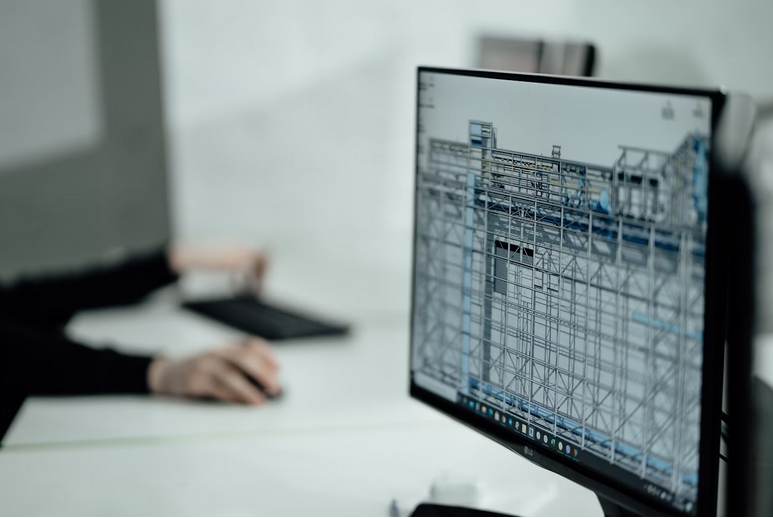
Building Information Modeling (BIM) is a game-changer in the construction industry, allowing for the creation of detailed 3D models that encompass every single aspect of a building project. From design, rendering, and planning to construction and maintenance, BIM enables stakeholders to collaborate seamlessly and anticipate potential issues before they arise.

By visualizing the entire project virtually, builders can identify conflicts early on, leading to fewer change orders and cost overruns during construction. This innovative technology streamlines communication among team members, resulting in improved coordination and efficiency throughout the building process.

3D Printing

At www.bauen.com, we’ve learned that 3D printing is definitely at the forefront in cutting down the costs. But how? This cutting-edge technology allows builders to create complex and customized components with precision and efficiency. Imagine being able to fabricate intricate architectural designs or structural elements with just a few clicks of a button.

3D printing not only accelerates the construction process but also reduces material waste, making it a sustainable option for environmentally conscious homeowners. Moreover, by utilizing 3D printing in home construction, builders can significantly lower costs associated with labor and production time. This means that homeowners can potentially save money while still achieving their dream home design.

Prefabrication and Modular Construction

house frame

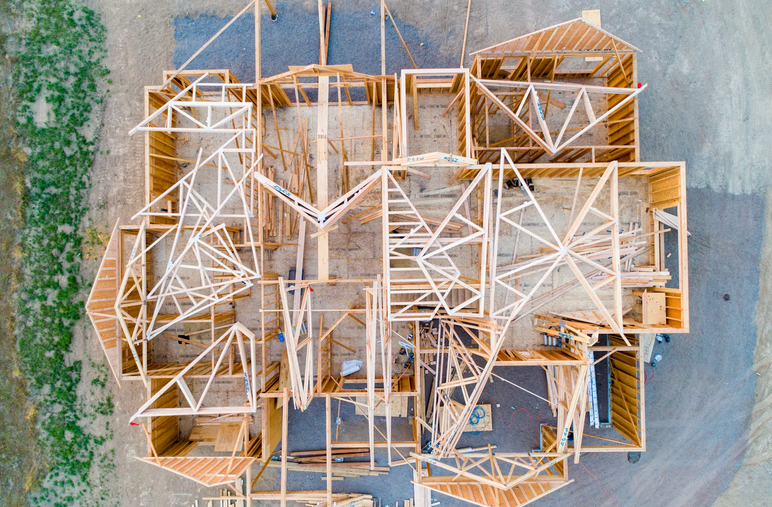
These trends aren’t just gimmicks. These innovative methods truly allow for faster assembly on-site, minimizing labor expenses and potential delays due to weather conditions. Additionally, the precision of prefabricated elements ensures higher quality standards compared to traditional construction techniques. Modular construction offers flexibility in design, allowing homeowners to customize their living spaces according to specific preferences. The ability to scale production easily makes it an attractive option for large-scale projects while maintaining cost-effectiveness.

Project Management Software

When building a home, keeping track of the progress and all the moving parts is essential. Usually, the manual or traditional method requires a lot of time and energy. If not, in many cases, there will be inaccuracy and miscalculation, leading to higher costs. But let me tell you. Gone are the days of relying on manual spreadsheets or endless email chains. Project management software centralizes all project-related information in one place, making it easier for everyone involved to access important documents and stay organized. By utilizing this innovative technology, construction costs can be lowered by improving efficiency, reducing errors, and minimizing delays.

By incorporating innovative technologies like Building Information Modeling (BIM), prefabrication and modular construction, 3D printing, and project management software into the construction process, you can lower overall costs while improving efficiency and quality. These technologies allow for better planning, faster construction times, reduced waste, and improved collaboration among project stakeholders.…

Read more

Must-Try Trends in Home Construction for 2023: Steal and Make These Ideas Your Own

As we approach 2023, it’s time to explore the latest trends and innovative ideas that are revolutionizing the way houses are built. But first, be sure to arm yourself with valuable insight for your home construction project from heimwerker.de/bauabnahme/.

Whether you’re a homeowner planning your dream abode or an architect looking for inspiration, these must-try trends will surely captivate your imagination. Don’t just steal these ideas; make them your own and create spaces that truly reflect your unique style and values.

Black Accents

tone

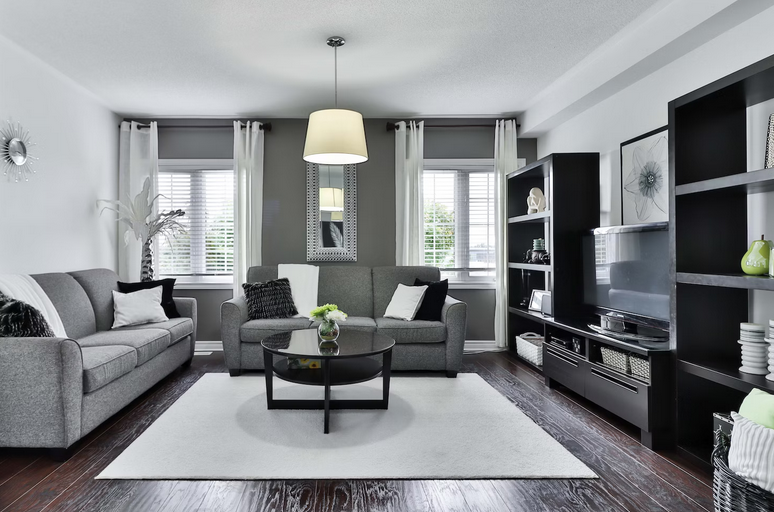
Black accents are making a bold statement in the world of home construction. This trend basically brings a touch of elegance and monochrome aesthetics to any space, whether it’s a living room, kitchen, or bathroom. The use of black hardware, fixtures, and accessories can instantly elevate the overall aesthetic and create a striking visual contrast against lighter tones. In modern designs, black is being used to define focal points and add depth to architectural elements. Imagine sleek black window frames that frame stunning views or matte black faucets that become design statements in themselves. These subtle touches not only enhance the overall look but also provide an intriguing sense of drama.

The Use of Bio Construction Materials

When it comes to home construction, the materials used play a crucial role in not only the durability and functionality of the structure but also its impact on the environment. That’s why the use of bio-construction materials has become a huge trend. Bio construction materials are derived from renewable sources such as plants, recycled waste, or even fungi. These materials offer several advantages over traditional building materials. For instance, they have a lower carbon footprint and reduce reliance on non-renewable resources like timber or concrete. One example of a bio construction material is bamboo. Known for its rapid growth and strength, bamboo can be an alternative to wood in various applications such as flooring or structural elements. Another example is hempcrete, which combines hemp fibers with lime binders to create a lightweight yet durable building material.

Biophilic Design

green building

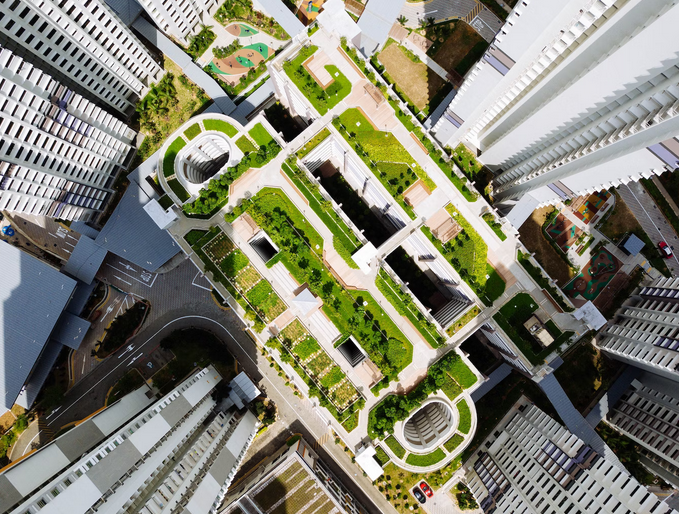
This design approach focuses on incorporating natural elements and materials into the built environment, creating spaces that promote health, well-being, and connection with nature. Incorporating biophilic design into your home basically involves living walls or vertical gardens. These installations not only add a visually stunning element to any space but also improve air quality by filtering out harsh toxins and releasing clean oxygen. Don’t forget about plants, too. All in all, these design principles can transform your home into a sanctuary that promotes health, happiness, and connection with nature. Whether it’s through living walls, expansive windows, natural materials, or a vibrant collection of plants – the possibilities are endless.

Multipurpose Rooms

Multipurpose rooms have become a popular trend in home construction, offering homeowners flexibility and functionality. These versatile spaces serve more than one purpose, allowing for efficient use of square footage and catering to the changing needs of families. One way to incorporate multipurpose rooms is by creating an open-concept design that seamlessly blends different areas together. For example, a living room can double as a home office during the day, with hidden storage solutions keeping clutter at bay. At night, it can transform into an entertainment space for hosting friends and family. Another idea is to convert unused or underutilized spaces like basements or attics into multipurpose rooms. These areas can be transformed into playrooms for kids, exercise studios, or even guest suites when needed.

These must-try trends in home construction for 2023 offer exciting opportunities for homeowners looking to update their spaces with style and sustainability in mind. So why wait? Start planning your dream home today and stay ahead of the curve in home construction.…

Read more